
Why does the body communicate through pain?
The human body is far more than a collection of bones, muscles, and joints. It also mirrors our deepest emotions. When words fail, the body speaks—and physical pain often becomes the expression of what the heart keeps hidden.
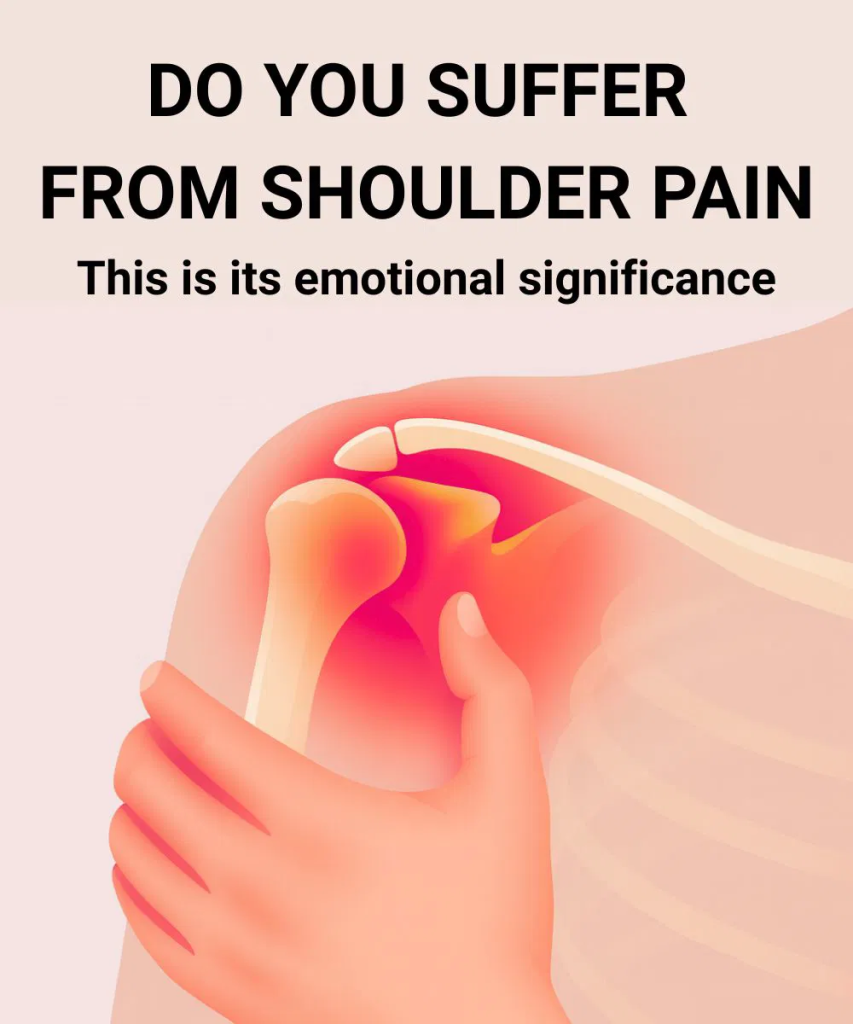
Shoulder pain: one of the most emotionally loaded discomforts
Shoulder pain is extremely common, yet it also carries significant emotional symbolism. From a psychosomatic viewpoint, this pain can reflect responsibilities, pressures, or burdens a person feels obligated to carry.
The Mind–Body Connection: A Holistic Perspective
The Shoulder as a Symbol of Responsibility
Anatomically, the shoulders support the arms, enabling us to act, reach out, work, and protect ourselves. Emotionally, they represent the burdens we carry—worries, unresolved issues, family problems, and work stress.
When that symbolic “weight” becomes too heavy, the body responds. Shoulder stiffness or pain often reflects difficulty letting go, delegating tasks, or asking for help.
Posture as an Emotional Mirror
Our posture reveals our inner emotional states. Slumped, tight, or raised shoulders can signal insecurity, sadness, or emotional overload. Over time, these feelings settle into the muscles, creating physical pain and reinforcing the mind–body cycle.
Emotional Roots of Shoulder Pain
Common Emotional Causes in Biodecoding
Biodecoding suggests that physical symptoms have emotional origins. Shoulder pain is frequently associated with:
1. Emotional burden and over-responsibility
People who mentally “carry” others—partners, family members, coworkers—often experience shoulder stiffness. The body reflects the weight they feel obliged to hold.
2. Guilt, fear, and lack of support
Pain may arise when someone feels guilty, afraid of failing, or overwhelmed. It can signal a need for compassion, reassurance, or help.
3. Difficulty releasing control
Perfectionistic or highly controlling individuals often tense their neck and shoulders. Healing involves learning to trust, loosen control, and allow things to unfold naturally.
Right vs. Left Shoulder Meaning
Right Shoulder: Action, work, and obligations
Pain here is often associated with external duties—career, goals, responsibilities, and tasks one feels compelled to complete. It represents the active, rational side.
Left Shoulder: Emotions, family, and the past
Pain in the left shoulder often relates to emotional issues—conflicts with loved ones, unresolved memories, or family-related stress.
Shoulder Pain and Stress
Muscle tension as an emotional signal