
Vitamin B12 is an essential nutrient that plays a critical role in brain function, nerve health, and red blood cell production. Yet millions of people—especially older adults—are deficient without realizing it. Because symptoms often appear gradually, B12 deficiency is frequently mistaken for stress, aging, or other common conditions.
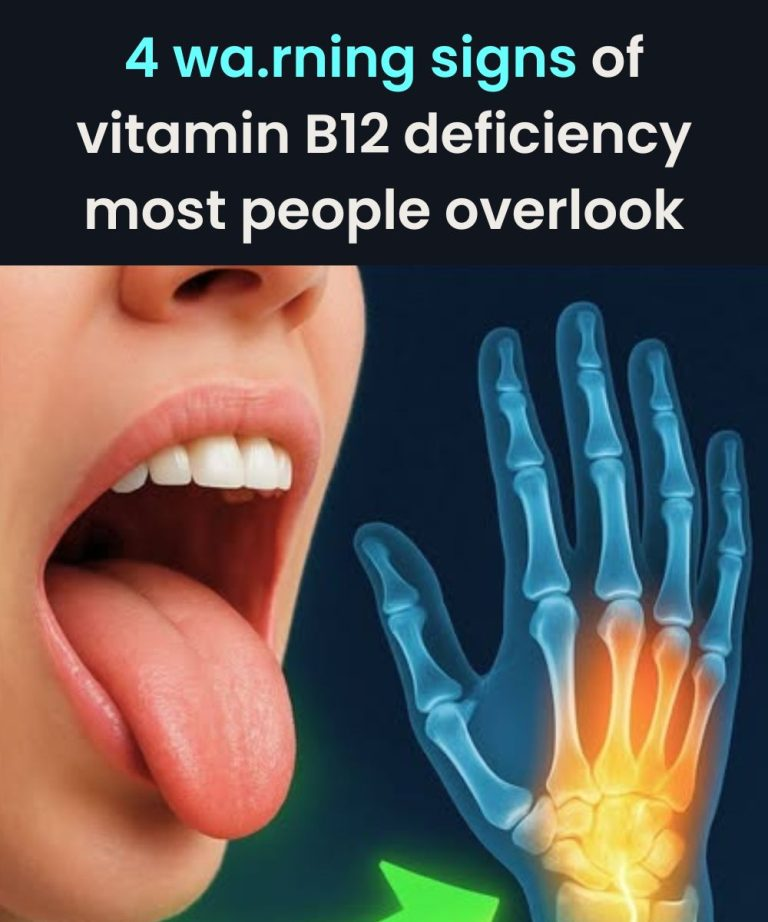
Ignoring the warning signs can lead to long-term nerve damage and serious health complications. Here are four alarming symptoms of vitamin B12 deficiency you should never overlook.
1. Persistent Fatigue and Weakness
Feeling constantly tired—even after a full night’s sleep—can be one of the earliest signs of vitamin B12 deficiency. B12 is necessary for producing healthy red blood cells, which carry oxygen throughout your body. When levels are low, your body struggles to deliver enough oxygen to tissues and muscles.
As a result, you may feel:
- Extreme fatigue
- Physical weakness
- Shortness of breath
- Reduced stamina during everyday activities
Many people assume this exhaustion is due to aging, poor sleep, or stress. However, if fatigue is persistent and unexplained, B12 deficiency should be considered—especially in older adults, vegetarians, or people with digestive issues.
2. Numbness, Tingling, or “Pins and Needles” Sensations
Vitamin B12 is essential for maintaining the protective covering of nerves, known as the myelin sheath. Without enough B12, nerve signals become disrupted, leading to uncomfortable neurological symptoms.
Common warning signs include:
- Tingling in hands or feet
- Numbness in fingers or toes
- Burning or electric shock sensations
- Loss of coordination or balance
If left untreated, nerve damage can become permanent. These symptoms are often misdiagnosed as carpal tunnel syndrome, diabetic neuropathy, or circulation problems—delaying proper treatment.
3. Memory Problems and Mental Confusion
One of the most alarming effects of B12 deficiency involves the brain. Low levels can impair cognitive function and mental clarity, sometimes mimicking early dementia or Alzheimer’s disease.
Symptoms may include:
- Memory lapses
- Difficulty concentrating
- Brain fog
- Confusion or disorientation
- Mood changes, depression, or irritability
Because these changes can develop slowly, many people—and even healthcare providers—attribute them to normal aging. However, B12-related cognitive decline is often reversible if caught early.
4. Pale or Yellowish Skin and Heart Palpitations
Vitamin B12 deficiency can cause a form of anemia, leading to noticeable changes in appearance and heart function. When red blood cells are not produced properly, the body struggles to circulate oxygen efficiently.
Wa:rning signs include:
- Pale or yellow-tinged skin
- Dizziness or lightheadedness
- Rapid or irregular heartbeat
- Chest discomfort
These symptoms indicate that the heart is working harder to compensate for low oxygen levels. In severe cases, untreated anemia can increase the risk of cardiovascular complications.