
While most of us view sleep as a passive state of rest, the mechanics of how we position our bodies during those silent hours play a surprisingly active role in our long-term health. Sleep posture is more than a matter of personal comfort; it is a vital variable that influences the efficiency of our internal organs, the clarity of our minds, and the structural integrity of our frames. Among the various ways we drift off, sleeping on the left side has emerged as a particularly beneficial practice, supported by anatomical logic and emerging neurological research.
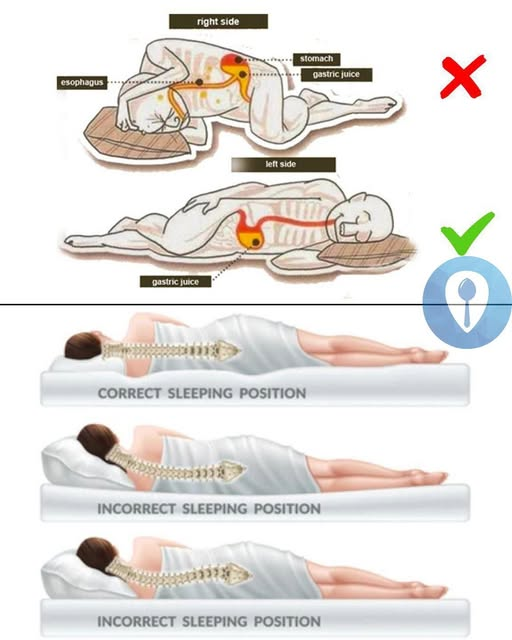
The human body is not perfectly symmetrical, and the internal arrangement of our organs means that gravity affects our physiological processes differently depending on how we lie. For many, transitioning to left-side sleeping is not just a preference but a therapeutic adjustment that can alleviate chronic symptoms ranging from digestive distress to cognitive fog.
One of the most immediate advantages of left-side sleeping is the profound impact it has on the gastrointestinal system. Anatomically, the stomach is situated on the left side of the abdomen. When you lie on your left, the stomach and its gastric juices remain lower than the esophagus. This use of gravity creates a natural barrier against acid reflux and heartburn. For individuals suffering from Gastroesophageal Reflux Disease (GERD), lying on the right side can actually exacerbate symptoms, as it allows stomach acid to leak into the esophagus more easily. Furthermore, the left-side orientation aids the passage of waste from the small intestine to the large intestine through the ileocecal valve, effectively reducing bloating, gas, and constipation. By working with the body’s natural contours, left-side sleeping streamlines the digestive marathon that occurs while we dream.