
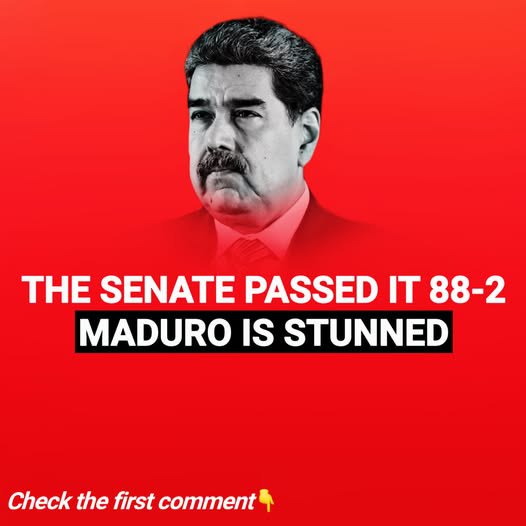
aduro Operation Sparks Major U.S. War Powers Showdown
The U.S. military operation that led to the capture of Nicolás Maduro has triggered more than global shockwaves—it has reignited one of Washington’s most enduring constitutional battles. What began with dramatic headlines out of Caracas and images of Maduro’s transfer to New York has rapidly evolved into a fierce debate over a fundamental question: who actually has the authority to send American forces into action?
At the center of the controversy is the administration’s decision to carry out the operation without prior, formal authorization from Congress. That move has reopened long-standing tensions between the executive and legislative branches over war powers. For decades, presidents of both parties have relied on expansive interpretations of their commander-in-chief authority, often acting first and consulting Congress later—if at all.
Now, lawmakers are pushing back.
Senator Tim Kaine has stepped into the spotlight, pledging to force a Senate vote on a War Powers Resolution designed to block further military action against Venezuela unless Congress explicitly approves it. Kaine argues the issue goes far beyond Venezuela. In his view, this is a defining moment for constitutional accountability—a test of whether Congress will reclaim its role as the nation approaches its 250th anniversary.