
How Jim Reeves’ “He’ll Have to Go” Quietly Revolutionized Country Music
In 1960, Jim Reeves released a song that would forever change the sound of country music. “He’ll Have to Go” didn’t crash onto the airwaves with loud drums or dramatic flair. It didn’t need to. It slipped into radios, jukeboxes, and living rooms with a calm intimacy, and before long, it had crossed boundaries—musical, cultural, and generational.
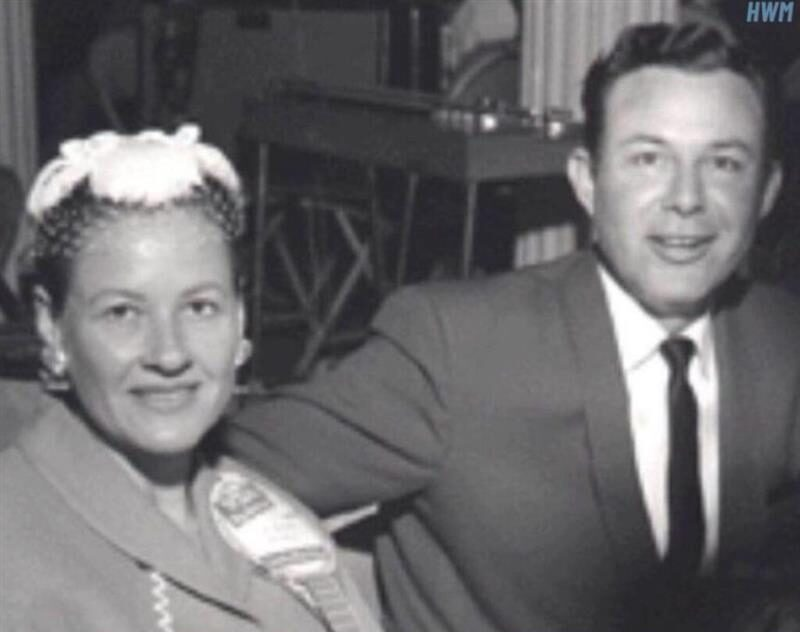
At the heart of it was Reeves’ voice. Smooth, warm, and impossibly controlled, it didn’t feel like a performance—it felt like a private conversation. While most country singers leaned into twang and raw emotion, Reeves brought sophistication without losing authenticity. That signature balance became instantly recognizable, and nowhere was it more apparent than on this record.
By 1960, Reeves was already known as “Gentleman Jim.” Born in Texas and trained as a radio announcer, he understood pacing, diction, and the power of silence. He knew how to make listeners lean in, and “He’ll Have to Go” showcased that talent perfectly.
The song itself came from an ordinary but emotionally charged moment. Written by Joe Allison and Audrey Allison, it was inspired by a man at a bar, speaking urgently into a telephone and asking a woman to come closer so he could hear her better. That simple, relatable moment became the song’s opening line: “Put your sweet lips a little closer to the phone.”