
The halls of the United States Senate have become the primary battleground for a profound constitutional struggle, ignited by a high-stakes military operation in Venezuela that has fundamentally challenged the traditional boundaries of executive authority. Following the daring overnight capture of Nicolás Maduro by U.S. forces, Washington finds itself deeply divided over the legal and ethical implications of the raid. What was initially presented by the Trump administration as a targeted law-enforcement action has rapidly transformed into an existential debate over presidential war powers, congressional oversight, and the very definition of “hostilities” in the twenty-first century.
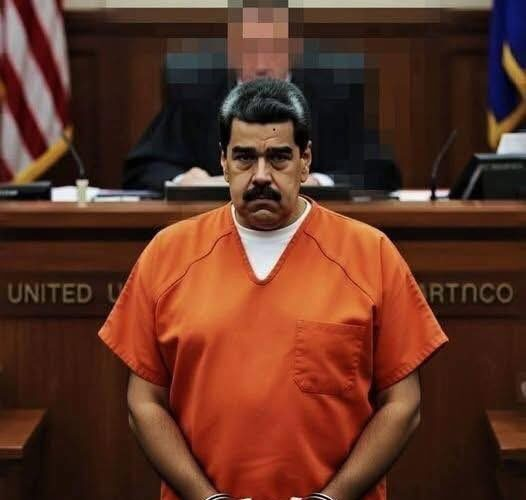
The operation itself was a masterclass in military precision but a lightning rod for legal controversy. In early January, elite U.S. units conducted a lightning strike in Caracas, apprehending Maduro and his wife before extracting them to New York to face long-standing narcotics and corruption charges. While the White House was quick to frame the event as the apprehension of an indicted criminal, the scale of the deployment—involving advanced aircraft, special operations forces, and a breach of foreign sovereignty—struck many as a quintessential act of war. Critics across the political spectrum were immediate in their condemnation, not necessarily of the objective, but of the process. They argued that by bypassing the legislative branch, the presidency had effectively staged a regime change under the guise of a police warrant.