
The professional collapse of Peter Attia and the broader tremors felt in the wake of the latest Epstein email leaks represent a profound intersection of personal accountability and public fallout. In an era where the currency of influence is built on a foundation of perceived integrity and moral clarity, the revelation of private associations with Jeffrey Epstein has acted as a catastrophic breach of contract between public figures and their audiences. This isn’t merely a story of a business exit; it is a clinical study in the erosion of trust within the high-stakes world of elite wellness and political power.
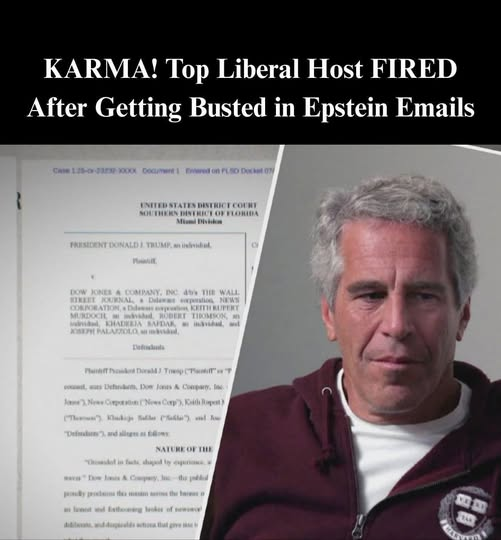
Peter Attia’s departure from his namesake wellness brand was far from the quiet transition typical of a corporate reorganization. Instead, it unfolded as a rapid-response public reckoning. The catalyst was a series of emails that placed him within the orbit of a convicted predator, but the damage was cemented by the nature of the correspondence. Attia’s own retroactive description of his past communications as “tasteless and indefensible” served as a damning self-indictment that simplified the task for his critics. For his followers—many of whom looked to him as a paragon of logic, longevity, and ethical living—the gap between the disciplined voice of a health advocate and the private levity shared with a figure like Epstein was too wide to bridge.