
The moment the cruiser’s doors opened and the young girl stepped onto the pavement of her driveway, the air in the neighborhood seemed to thicken with a collective, jagged intake of breath. For months, this street had been a gallery of grief, lined with yellow ribbons that had faded under the sun and posters whose ink had begun to run from the rain. When the officers finally brought her home, the reunion was not the cinematic, polished moment of joy the public had envisioned. It was something far more visceral—a raw, trembling collision of relief and agony. Her parents did not just hug her; they clung to her with a desperate, white-knuckled intensity, as if the sheer force of their grip could retroactively undo the months of her absence.
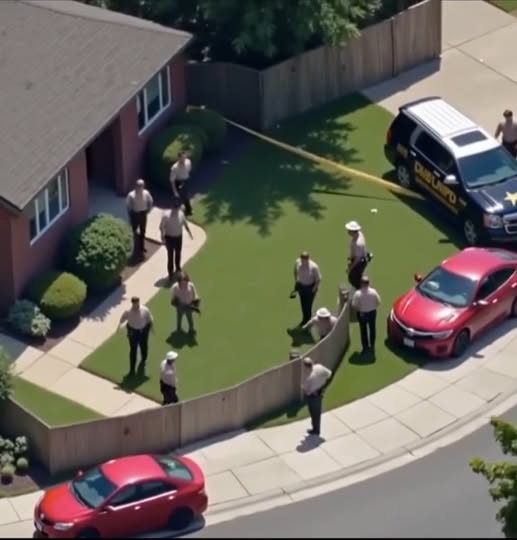
The girl who returned, however, was not exactly the same person who had vanished. The physical changes were the first to be noted: a hollowing of the cheeks, eyes that seemed to have retreated into a permanent state of hyper-vigilance, and a silence that felt heavy and impenetrable. Behind the closed doors of their suburban home, the family has now begun the grueling, quiet labor of recovery. This is the stage of the story that the news cameras rarely capture—the slow, fragile work of rebuilding a sense of safety in a world that has proven itself to be profoundly dangerous. It is a process of navigating night terrors, flinching at sudden movements, and trying to find the words for experiences that defy language.