
Rumors spread fast online when famous names are involved—but when it comes to real people, only verified statements matter. So what would it look like if UK police were to publicly announce an arrest tied to a high-profile investigation involving Prince Andrew?
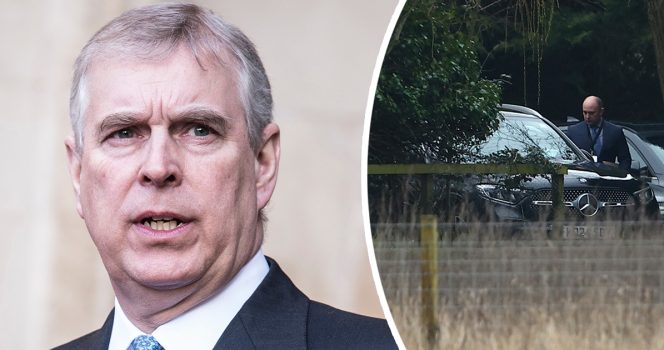
Here’s how situations like this typically unfold in the UK.
When police announce an arrest in a sensitive case, they often avoid naming the individual right away. This is standard practice to protect the integrity of an active investigation and to avoid prejudicing any potential legal process. Authorities may confirm the age range, location, and the nature of the alleged offence, while emphasizing that an arrest does not equal guilt.
In high-profile cases, searches may be conducted at multiple locations connected to the inquiry. Law enforcement teams can legally secure electronic devices, documents, and other materials that could help establish timelines and facts. This stage is about evidence-gathering—not conclusions.
Former senior officers frequently note that public pressure can build in cases involving well-known figures. When scrutiny increases, police may move forward with formal steps to demonstrate that the process is being handled independently and thoroughly. Even then, investigations can take time, and updates are usually limited while inquiries remain active.