
In the competitive world of broadcast journalism and television ratings, standing out can be challenging. But one Albanian television station drew international attention after adopting a controversial on-air format that continues to fuel debate years later.
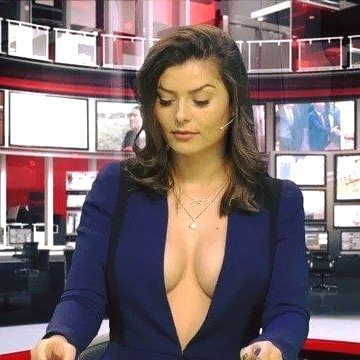
The station, Zjarr TV, made headlines in 2016 for featuring news anchors wearing open jackets without traditional undergarments while delivering daily news broadcasts. The move generated viral social media coverage and ignited conversations about media ethics, workplace equality, and gender representation in television.
A Strategy to Boost Ratings
At the time, Albania’s media market was highly competitive. According to public statements from station owner Ismet Drishti, the unconventional presentation style was intended to symbolize transparency in reporting.
Drishti described the concept as “bare information,” suggesting the format was meant to reflect openness in a media landscape some critics viewed as politically influenced.
The approach quickly increased visibility for the network. Clips circulated widely online, and viewership reportedly rose during the period when the format was introduced.
Albania’s Cultural Context
Albania, located in the Balkans, has a complex modern history shaped in part by decades of communist rule under Enver Hoxha from 1944 to 1985. His regime was marked by heavy censorship and limited press freedom.
Supporters of the station argued that bold programming represented a break from the past. Critics, however, questioned whether the tactic reinforced objectification rather than advancing journalistic credibility.
The debate reflects broader global conversations about women in media, workplace professionalism, and television broadcasting standards.
Rising Fame for On-Air Personalities
One of the station’s most recognized presenters was Enki Bracaj, who gained significant attention while hosting an international news segment.
Bracaj, then a public relations student, later stated she saw the format as a way to differentiate herself in a competitive industry. According to interviews at the time, she discussed the decision with her family before appearing on air.
However, her tenure at the station was relatively short. Reports indicated she left following disagreements that reportedly included external modeling opportunities, highlighting the blurred lines between media exposure and brand image management.
She was later replaced by Greta Hoxhaj, an experienced broadcaster who adopted a similar on-screen style. Hoxhaj stated that while her presentation was bold on camera, it was distinct from her everyday personal style.
Social Media Reaction and Global Attention
Images and clips from the broadcasts spread widely across platforms like YouTube and Facebook, generating hundreds of thousands of views.
Public reaction was sharply divided:
- Some viewers argued that appearance should not overshadow journalistic content.
- Others claimed viewers could simply change the channel if they disagreed.
- Media professionals debated whether such tactics addressed deeper industry challenges or merely increased short-term engagement metrics.
The conversation also expanded beyond Albania, touching on similar moments in other countries where television presenters adopted attention-grabbing formats tied to sports or entertainment events.
Media Standards vs. Viewer Choice
Notably, responses from local journalist associations were measured. While some media leaders expressed concern that sensationalism cannot solve structural challenges in journalism, others emphasized that audiences ultimately decide what content succeeds.
The situation illustrates a larger issue in modern broadcasting: balancing viewer engagement, advertising revenue, and professional standards in an era dominated by digital competition and viral media.
The Ongoing Debate
Years later, the story continues to surface in discussions about:
- Gender equality in broadcasting
- Ethical journalism standards
- Media monetization strategies
- The influence of viral marketing in television
Supporters frame the experiment as bold branding in a crowded market. Critics argue that long-term credibility depends more on reporting quality than presentation style.
As the media landscape evolves, questions remain about where broadcasters should draw the line between innovation and professionalism.
What do you think — should television news prioritize traditional standards, or is there room for unconventional formats in modern media?