
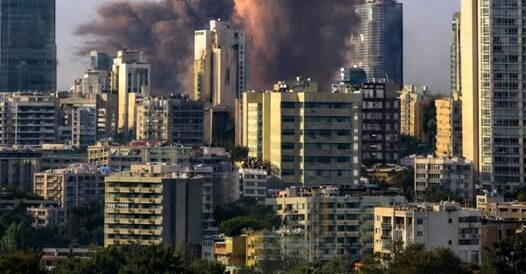
Israel and the U.S. Launch Major Offensive on Iran
For decades, Israel has viewed a nuclear-capable Iran as an existential threat, shaping defense strategies, covert operations, and diplomacy. On February 28, 2026, containment ended. Israel and the United States launched a full-scale military campaign, now recognized as the most significant Israeli operation since the nation’s founding. Entering its fourth week, the offensive has reshaped the Middle East and caused thousands of casualties.
From Planning to Action
Months of careful preparation preceded the strikes. Following the June 2025 conflict that targeted Iran’s nuclear infrastructure, intelligence agencies monitored Tehran’s rebuilding efforts. By late 2025, Israel concluded Iran was nearing nuclear capability, while internal unrest in January 2026 offered a rare strategic opportunity.
The February 28 Strikes
On February 28, Israel executed a coordinated air operation with U.S. support, known as Operation Epic Fury. Dozens of sites across northern Iran were targeted, including missile storage, command centers, air defenses, and leadership compounds. The most consequential strike killed Supreme Leader Ali Khamenei, sending shockwaves throughout Iran and the international community.
Expanding the Offensive
In the days that followed, Israel intensified strikes across Iran, targeting both military and civilian infrastructure. Fires erupted at Tehran oil depots and refineries, while energy facilities like South Pars and Kharg Island were hit. Over 2,300 strikes were reported across 29 provinces, contributing to rising global oil and gas prices and retaliatory attacks in the region.
Nuclear and Military Targets
Iran’s nuclear sites, including Natanz, were a focus. Iran responded with missile attacks on Dimona, heightening fears of escalation between nuclear-capable adversaries. Israel emphasized air superiority, framing the campaign as a path toward Tehran and signaling a major shift in military strategy.