
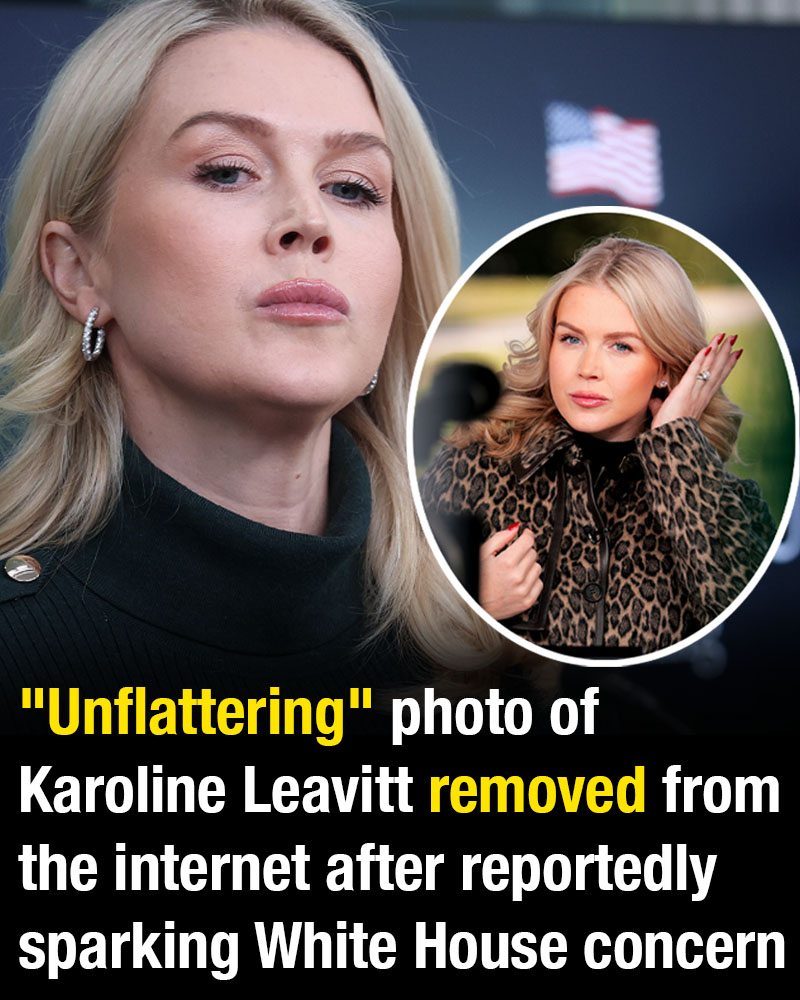
A photo featuring Karoline Leavitt has gained unexpected traction online—not because of its content, but due to its sudden removal from major image platforms.
The image was taken during a Thanksgiving-themed press briefing and shows Leavitt alongside her son as they look down at a turkey named “Waddle.” Captured by Andrew Caballero-Reynolds, the photo initially attracted little public attention when it was first published.
However, interest surged after reports suggested that concerns had been raised within the White House, with the image described by some sources as “unflattering.” Shortly afterward, it was removed from the distribution libraries of Agence France-Presse (AFP) and Getty Images, prompting questions about the decision.
AFP Explains Editorial Decision
AFP later addressed the situation, clarifying that the removal was an internal editorial choice. According to the agency’s Director of Communications, Grégoire Lemarchand, while concerns had been communicated, the final decision was made independently.
He explained that during high-volume news events, such as White House briefings, large numbers of images are transmitted quickly for timely media coverage. Following a later review process, editors determined that this particular photo did not meet their editorial standards.
The agency cited factors such as the angle of the shot and the availability of stronger alternative images from the same event as reasons for its removal. This type of editorial review process is common in digital media workflows, where content quality and brand reputation are key considerations.
Online Reaction Fuels Viral Spread
Despite the intention to quietly withdraw the image, the decision had the opposite effect. Once reports of its removal began circulating, the photo quickly became part of a wider online trend.
Social media users widely shared and discussed the image, with many noting that it had received minimal attention before its removal. The situation highlights how digital content moderation and reputation management decisions can sometimes increase public visibility rather than limit it.
The incident also reflects broader dynamics in social media engagement, where perceived restrictions can amplify interest and drive viral traffic across platforms.
Media Coverage and Public Image
The situation underscores the growing intersection between media coverage, public image, and online audience behavior. In an era driven by rapid information sharing, decisions around content distribution can have unintended consequences for visibility and public perception.
While the photo itself remains relatively ordinary, the response to its removal has turned it into a notable example of how digital media ecosystems and audience curiosity can shape modern news cycles.