
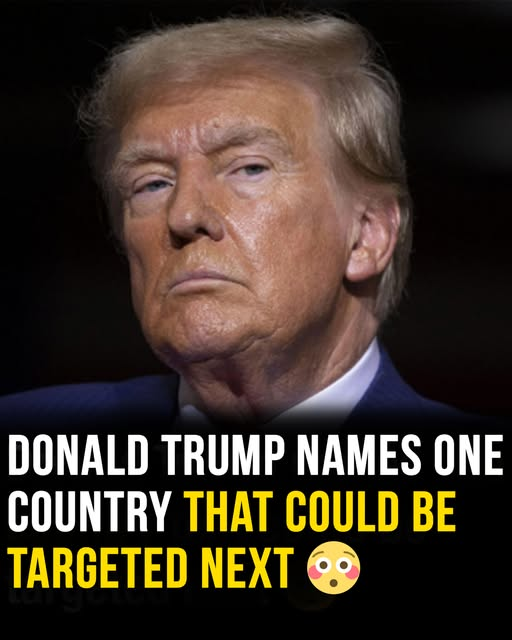
Concerns about escalating global tensions have intensified after Donald Trump suggested that Cuba could be the next focus of U.S. attention.
Since beginning his second presidential term, Trump has been involved in several major foreign policy developments. His administration has authorized multiple military operations, while instability in the Middle East continues to draw international concern.
However, the situation extends beyond Iran. Earlier this year, Trump faced criticism from European allies over remarks about acquiring Greenland. At one point, he even indicated that military options could be considered if Denmark rejected the proposal, though he later appeared to soften that stance.
In addition, U.S. actions under his leadership have included operations targeting ISIS-linked groups in Somalia, involvement in political developments in Venezuela, and increased pressure on countries such as Mexico and Colombia over drug trafficking concerns. These moves highlight a broader strategy focused on national security, regional influence, and economic interests.
“Cuba Is Next” Comment Raises Questions
More recently, Trump drew attention during a summit in Miami, where he reportedly stated that “Cuba is next.” ([WTAQ News Talk][1]) While he did not clarify what specific actions he had in mind, the comment has fueled speculation about possible future U.S. policy toward the island.
Trump has previously criticized Cuba’s leadership, describing it in strongly negative terms and labeling the country as an adversary in broader geopolitical competition.
Cuba, which is currently dealing with a significant economic crisis involving food shortages and energy supply challenges, has responded by signaling readiness to defend itself if necessary.
Economic Pressure and Strategic Moves
The Trump administration has also implemented economic measures aimed at Cuba, including strict tariffs on countries supplying oil to the island. These policies have had a notable impact on Cuba’s already fragile economy, increasing pressure on its infrastructure and energy sector.
In earlier remarks from the Oval Office, Trump suggested that he could play a direct role in shaping Cuba’s future, describing such an outcome as a significant achievement.
Ongoing Uncertainty in U.S.–Cuba Relations
Despite these statements, there is still no clear indication of what specific steps the U.S. might take next. Analysts note that the situation reflects broader geopolitical risk factors, including shifting alliances, economic sanctions, and evolving military strategies.
As global markets and international relations remain sensitive to political developments, Trump’s comments have added another layer of uncertainty to an already complex geopolitical landscape.